
The Evolution of Wearable Technology
- January 29, 2026
- Posted by: admin
- Categories:
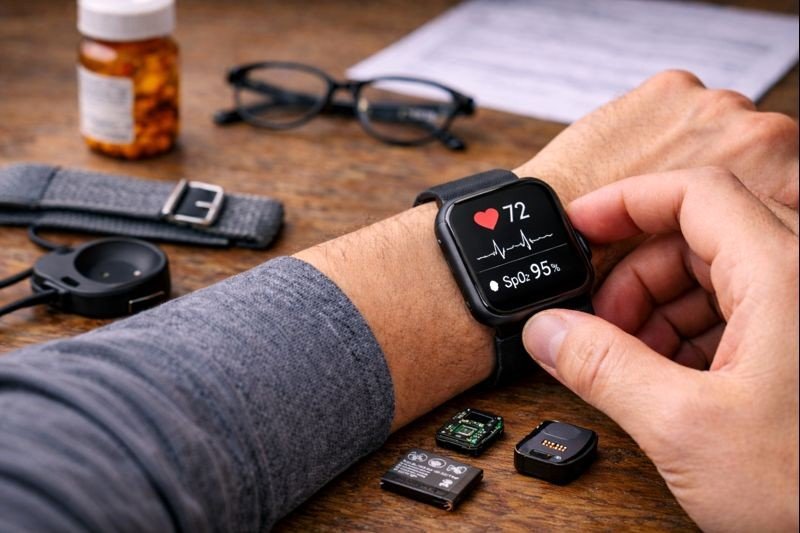
Medical technology decisions today are no longer driven by innovation alone. In real-world settings, usability, serviceability, and long-term support often matter just as much as what a device can do on paper.
Across healthcare systems, there is growing pressure to deliver better outcomes with tighter budgets and fewer resources. That reality has changed how devices are evaluated over time. Instead of focusing only on new equipment purchases, providers are looking more closely at what happens after deployment — maintenance, spare parts, repairs, and system uptime.
Accessories and secondary components are usually the first things to wear out. When they fail, even highly advanced systems can become difficult or impossible to use. This makes proactive replacement planning and reliable supply chains far more critical than they were in the past.
At the same time, expectations have shifted. Consumer technology has raised the bar for reliability, design, and ease of use. Clinicians and patients increasingly expect medical devices to work seamlessly in everyday environments, without complex servicing or prolonged downtime.
In response, many manufacturers are rethinking how products are designed and supported. Modular architectures, replaceable components, and clearer service documentation are becoming more common. These choices aren’t just technical — they directly influence how quickly devices can be repaired, redeployed, or scaled.
From a business perspective, strong lifecycle strategies help reduce capital strain and improve predictability. They also enable service-driven models that strengthen long-term customer relationships rather than one-time transactions.
As wearable and medical technologies continue to evolve, organizations that treat accessories, manufacturing strategy, and lifecycle planning as core capabilities — not afterthoughts — will be better positioned for sustainable growth.