
The Convergence of Medical Devices and Consumer Electronics
- December 30, 2025
- Posted by: admin
- Categories:
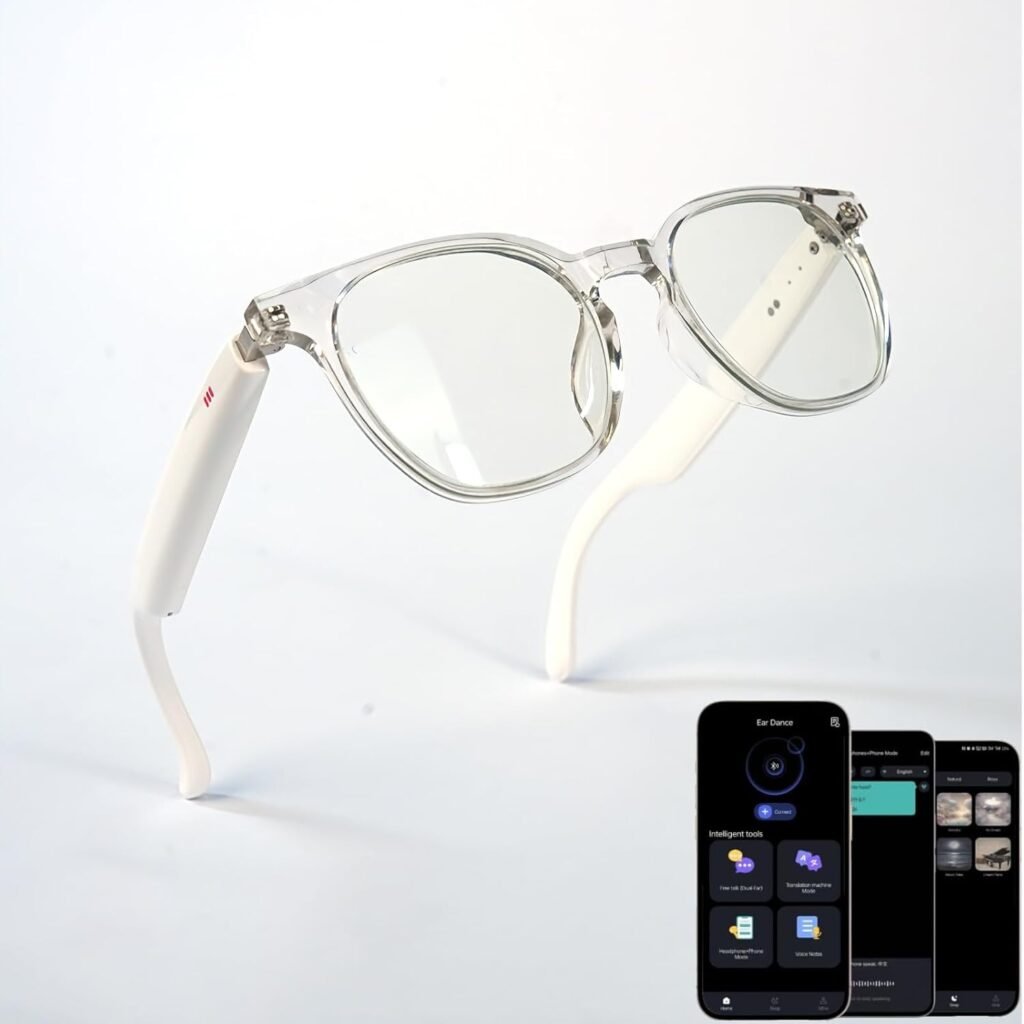
Healthcare systems across the world are under pressure to deliver better outcomes with limited resources. This has changed how medical devices are evaluated, maintained, and upgraded over time.
Rather than focusing only on new equipment purchases, providers are paying closer attention to serviceability, spare parts availability, and long-term support. These factors directly influence uptime, safety, and total cost of ownership.
Accessories and secondary components are often the first elements to wear out. When these parts fail, even advanced systems can become unusable, which makes proactive replacement and supply planning essential.
At the same time, consumer technology has reshaped expectations around reliability, design, and ease of use. Clinicians and patients now expect medical technology to function seamlessly in real-world environments.
Manufacturers are responding by redesigning devices with modularity, replaceable components, and clearer service documentation. This approach supports faster repairs and more flexible deployment models.
From a business perspective, strong lifecycle strategies reduce capital strain and improve predictability. They also open new opportunities for service-driven revenue models and long-term customer relationships.
As healthcare technology continues to evolve, organizations that treat accessories, manufacturing strategy, and lifecycle planning as core capabilities will be better positioned for sustainable growth.